
Josh Aarum
Program Director – Circle C Ranch
Photography by Ian Rempel
Josh Aarum is the program director at Circle C Ranch in Buffalo, NY. He oversees 80 people every summer. We got the chance to talk about stories, gifts and motivation.
Josh! Thanks for meeting up with me!
I’m glad you asked me to do it!
*laughs* Of course! So let’s just jump into it. Josh, tell me about the first job you loved.
Okay, it’s going to sound strange, but when I was young, living at the camp my family owns, I always admired the maintenance workers. I thought it was the coolest thing to be a maintenance worker. And they would always talk about “hugging the toilet.” Whatever that meant, it was automatically cool because I looked up to them so much. So finally it came to the point where I was responsible for cleaning. I was a maintenance worker. I finally got the chance to “hug the toilet” and I realized that behind the toilet there was so much grime that you had to clean, and so I’d reach behind and I would wipe it all down. That was “hugging the toilet.” There was such a feeling of satisfaction when you left that toilet so clean.
Huh. So what was it about making a dirty toilet clean that you loved so much?
I think it just comes down to making a difference. It’s a small difference, but yea, I think that’s where it comes from.


How has your upbringing influenced the way you work and the way you see work?
Hmmm. Whenever I think about work ethic, and why my work ethic is the way it is, I think back to a time where my dad and I were in the back of a truck, and we were scooping up gravel. I don’t really remember why, but we were scooping up gravel. Sometime into our work, he looked at me and says, “Josh, this is not the way to work. You’re dragging your shovel around you’re not doing it right.” I’m standing there thinking “I’m trying my hardest!” But he goes on: “Listen if we don’t get this done in the next 10 minutes, we’re not going to be able to go to the movies.” I didn’t even know that movies were on the table at that point, but of course I wanted to go. So I start haulin’ butt and I got it done fast. At the end, my dad says “Josh, the movie’s two hours from now, but I wanted to show you: this is how you’re supposed to work. This is the way we do it.” From that point on I realized that you just have to get it done right and quick.
What’s your deep motivation for continuing to work where you work?
Working at Circle C Ranch is important to me not just because it’s my family’s work… my grandpa started it, my dad runs it… everyone in my famiy has a big piece of it. It’s a legacy.
That’s part of it for sure, but why I continue to go and put 70 – 80 hours of work a week in during the summer is because I get to see lives changed. It’s crazy. Sometimes I’ll see and meet people older than me that I look up to, and they’ll say that their lives were changed by my family’s camp. Working at camp, I have the opportunities to have a piece of that. Through our mission, people’s lives are turned around. It’s huge to be a part of making a difference in people’s lives.
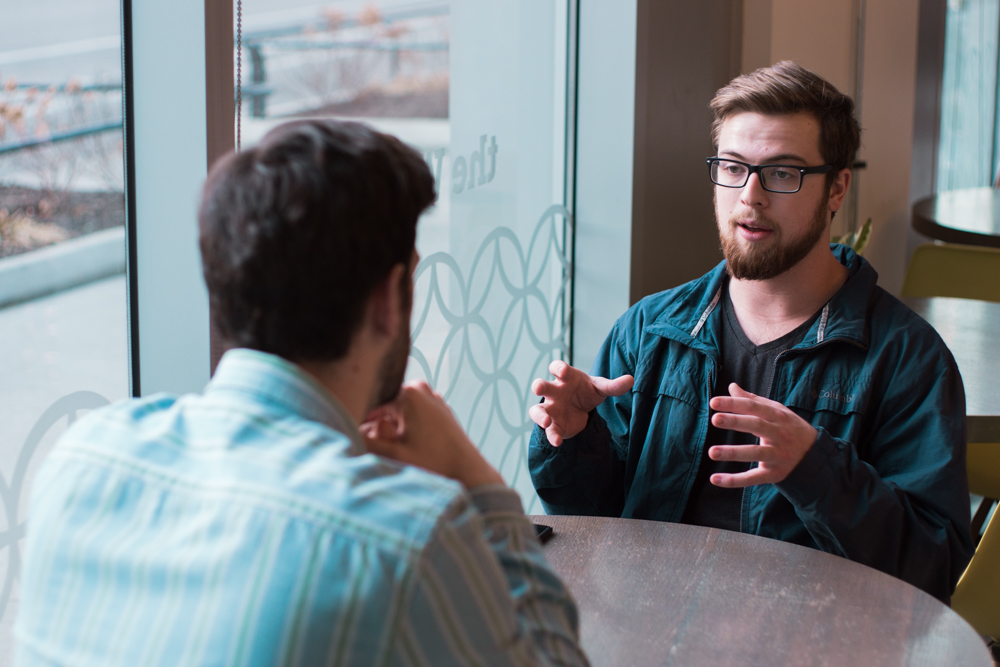
“…I continue to go and put 70 – 80 hours of work a week in during the summer because I get to see lives changed.”
What is your dream job?
I’ve been asked this question often. The thing is, I really don’t know what it is. I think I know it’ll consist of three things: media, youth and… it has to make a difference.
So what is it about your dream job, or dream situation, that you’re able to say to yourself: “I could do this forever”?
I think it all starts with that toilet. *laughs*
But really, I think that the reason I like to do what I do is because i really enjoy working with youth. Everyone in my family has done that. My grandpa, my uncle, my dad— it’s in my blood. I’ve grown up with youth work all around me. It’s what I know. And so, I think I’m comfortable, and I’m used to working with youth, and I enjoy working with youth because I want to make a difference. These kids are in such a formative time of their lives and if I can have a part in helping form tomorrow’s people… I want a piece of that.
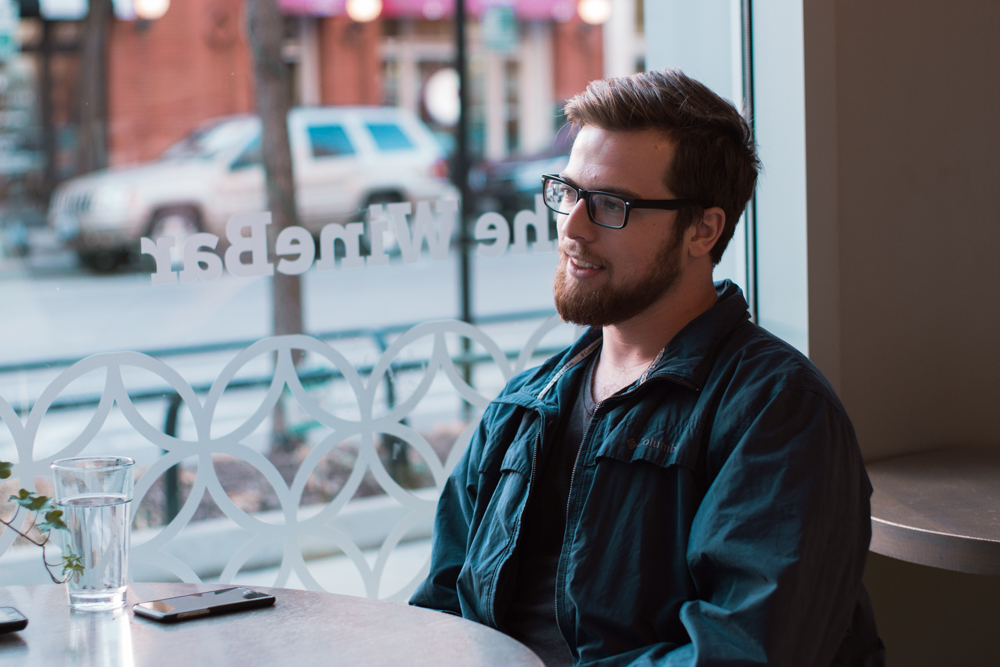
“…after my eight days of training with Disney, I was so excited to go on the streets and sweep popcorn. I was so pumped because I knew that my doing these things was making the people’s experience better.”
Okay, so you’ve found your motivation. How do you help the people you oversee find that motivation in themselves? Maybe they have a different motivation. Maybe they do the same work for a different reason. How do you guide them through that?
Working at Disney World and being trained by the people at Disney has taught me a lot about how to motivate people. Because after my eight days of training with Disney, I was so excited to go on the streets and sweep popcorn. I was so pumped because I knew that my doing these things was making the people’s experience better.
Wow. You were excited to sweep!
Right. So translating that at camp, my goal is to help them realize that everything they do at camp: every decision they make, all the extra time they pour in, is going to make the campers experience better and is going to impact them. So just making it known that the little things matter and that every miniscule job, as small as it may be, maybe it’s just volunteers coming to help register— even in those little jobs, you can contribute in a big way to one camper’s experience.
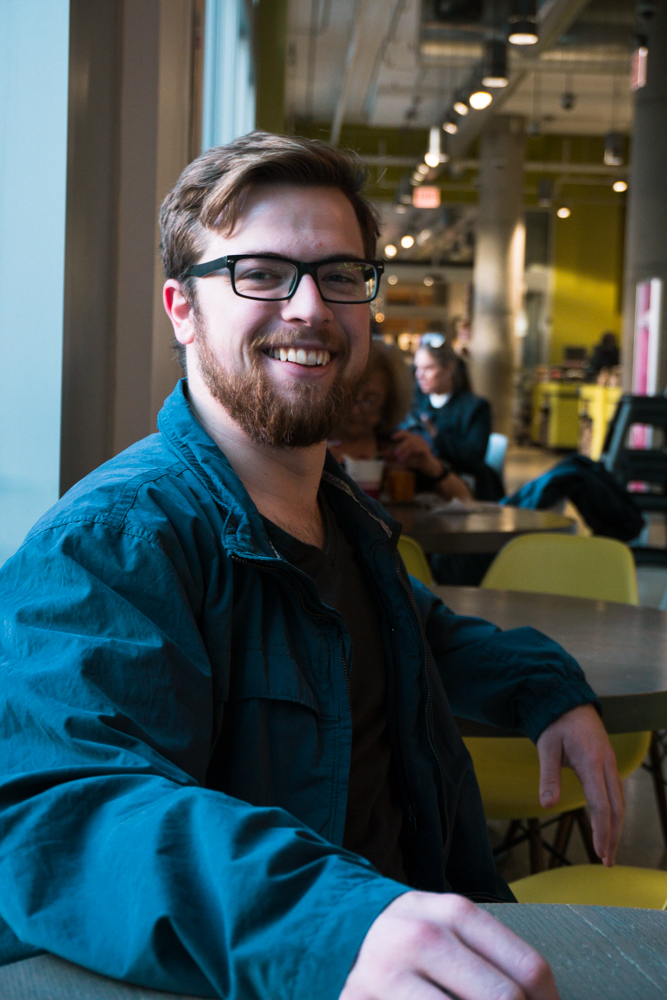
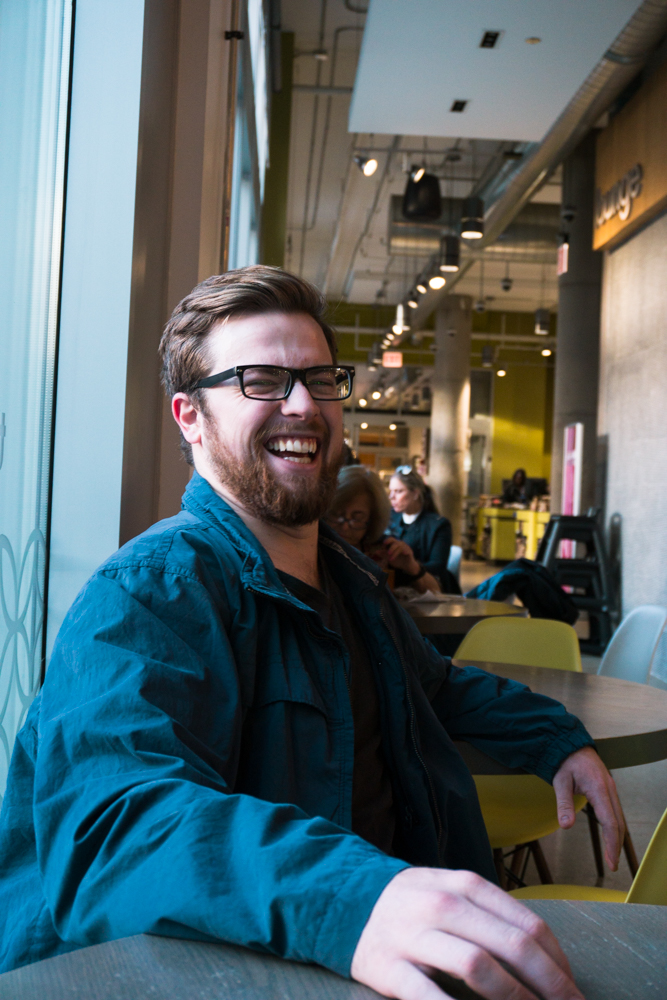
“We try to encourage people to get creative to make their work worthwhile. We want people to get their work done well, but we really want them to find their own meaning for it.”
What are some practical ways that you make working with Josh Aarum exciting?
We try to encourage people to get creative to make their work worthwhile. My dad tells stories of when he worked in maintenance. He and his crew would make games out of their work to make it fun. We want people to get their work done well, but we really want them to find their own meaning for it.
There’s a system we put in place for the summer called the Buddy System. So every week, a staff gets a secret buddy. They write notes to their buddy and put them on the public buddy board, and at the end of the week they get their buddy a gift. And that’s just a small thing they receive throughout -the week, a little encouragement. Sometimes in the middle of the summer when it’s hot and you have 8-year-olds that don’t want to listen to you and they just want to fight each other, that little note could be something like a story that somebody saw you doing something great it can really help in the midst of a hard time.
Another thing is, three times a week, we give counselors and staff 15 minutes to unwind with each other and eat some fun snacks. It’s a time to relax and not be responsible for anything. So in the middle of a hectic week you get to connect with the people you’re working with.
So it’s like a safe zone to just be with people that you relate to, as opposed to dealing with everyone out there.
Yea! That’s so good. I’m glad you said that.
Something else we do in leadership is write encouraging letters to everyone in the staff. It really means a lot to receive a handwritten letter— and when leadership notices and reaches out in that way, I think it’s really encouraging. And that’s just a small practical way. It doesn’t take long to write a letter.
You get a ton of new staff almost every summer. What’s it like always getting new people? What do your relationships with these people look like?
So I think it’s really difficult when we have a lot of new staff because they don’t know how things work, they don’t know traditions, and you feel the need to explain everything to them and over-communicate because you don’t want them to be lost… so that can be very complicated. A lot of times we rely on older staff.
Relationships with the staff? Theres about 70 people. And 100 days of summer. 104 days of summer vacation…
So trying to get to know 70 people individually is just not going to happen. But when I think about it, the better relationships I have with staff members are the ones that have sought me out.
Do you intentionally make it clear that you’re open for conversation?
Yea. Actually the first training session of camp, my little spiel is always: “I don’t really know what I’m doing.” *laughs* “If you have a better idea than me I want to hear it.”
What’s something you think every workplace should practice?
When I think about administration done well, I think of my time at Disney. And something they’d do at least twice a month, was staff appreciation.
Yes.
And they would do big parties. They would have a buffet, a DJ… just to thank us. They would shut down parts of the park just for us. They would show us a slideshow of us doing our job. At camp, I wish we could do it more, but we take them to a state park together, and take them to see a drive-in.
How do you think telling a good story can influence your staff?
Dude, that is— I should have said that with your question about motivation. Because honestly hearing stories about staff doing it right can inspire more than anything else I feel like.
There’s this crazy story they tell to the Disney staff about a little girl who lost her tooth. She lost it while she was in the parks, so she was upset because she thought the Tooth Fairy wouldn’t come and take her tooth and give her money. A Disney worker overheard her and told her “Don’t worry, Tinkerbell will be here to take your tooth!” The Disney worker snuck a little Tinkerbell pin from off her vest and gave it to the girl’s parent. The next day, the little girl came back to the Disney worker estatic because Tinkerbell had come and left her a little pin! That girl will never forget that Tinkerbell came to visit.
Stories like that make me want to give a little girl a pin and do something. So if we can harness the power of stories to motivate people… I think that’s gonna motivate them more than anything.
Thanks to Josh Aarum and Ian Rempel for helping make things (like this story) wonderful.
If you're interested: reach out with a story of someone who makes their space wonderful.
koreykostek@gmail.com
site designed by Korey Kostek with help from Jack Doyle